
The firms the Research Library studies share an unglamorous habit: they write things down. Not only transactions: decisions. Who argued for the purchase, what the alternative was, what the house believed at the moment of choosing. The ledger of record satisfies the auditor; the quiet ledger educates the heir.
A decision recorded at the moment it is made is worth more than any retrospective. Memory edits itself; minutes taken in the room do not. The houses that lasted centuries treated their own judgement as an asset to be inventoried: reviewed, compared, understood, exactly as they inventoried stock and plate.
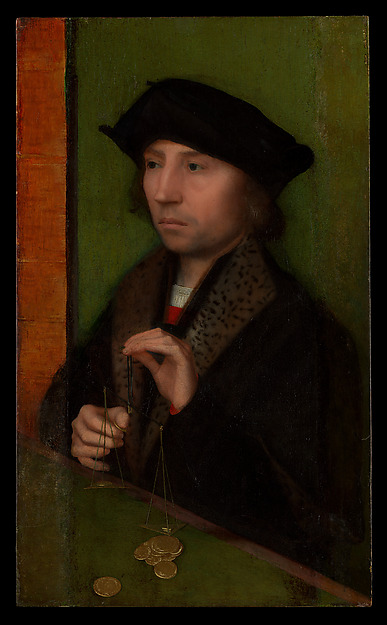
This is the discipline LIBRO builds toward on the capital side: not advice, but instruments for seeing clearly: records an owner can hold against time and compare against outcomes. The habit costs a page a week. Compounded over a generation, it is the difference between a firm that has thirty years of experience and a firm that has one year of experience thirty times.
“A firm that writes nothing down has one year of experience thirty times.”
The quiet ledger is also the most private of documents. It is written for a reader who does not exist yet. That, more than any vault, is what the houses in our register mean by keeping.